What are the different types of Poliovirus Vaccines and can eradication be reached?
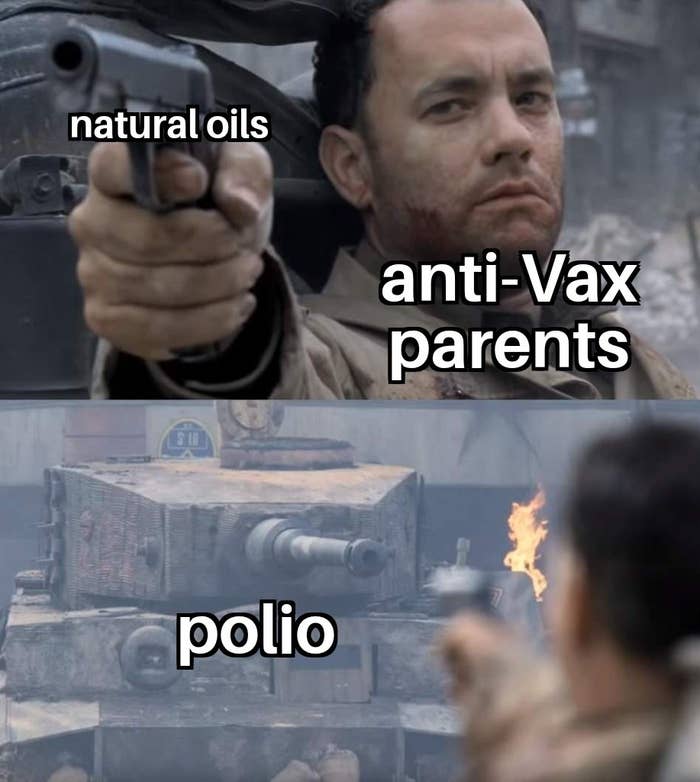
A vaccine is a substance that is a form of a pathogen or a pathogen’s products used to induce an immune response and protection from certain infectious agents following exposure to a specific antigen. They are a reliable way to protect a single person against an infectious agent and to protect others around you who may be immunocompromised and cannot receive a vaccine yet. When a sufficient amount of the population is vaccinated herd immunity can be achieved, which is when a significant amount of a population is immune to a disease (via vaccination) and the infectious agent is then no longer able to spread because of the accumulated immunity. The fact that you are protecting yourself and other’s when getting vaccinated should definitely be taken into consideration when people choose to not get vaccinated. For the Poliovirus there are two types of vaccines that can provide protection, the IPV (inactivated polio vaccine/Salk vaccine) and the OPV (oral polio vaccine/Sabin vaccine). Both of these vaccines have their own advantages and disadvantages, however, they both trigger the immune system to create antibodies against the poliovirus that are able to protect you when later exposed.
Dangers of Anti-Vaccination around the World
As with several infectious diseases, Herd Immunity and eradication of the poliovirus can be reached in different regions of the world, with collective vaccination in a given population. In regions such as North East Nigeria, this potential eradication was compromised by widespread suspicion that led to anti-immunization sentiments amongst the population. This was a result of misinformation, fear and religious beliefs, such as a rumor that the polio vaccine makes women sterile. Additionally, there was an anti-immunization sentiment pushed on the people of Northern Nigeria by the Boko Haram. The lack of immunization has lead to numerous outbreaks and deaths from the polio virus. To combat this issue, a group called CORE, has been providing correct information about the polio vaccine and its benefits to the people of Nigeria in attempts to improve vaccination rates and move towards eradication. I think this is important, because it shows how public education can combat against anti-immunization sentiments.
What are the risks of the OPV?
Between the OPV and the IPV vaccine, the OPV vaccine is able to provide better herd immunity due to its ability to neutralize the poliovirus in the throat and intestinal tract so that it can no longer be spread in the feces. However, one of its major disadvantages is that it can mutate to become virulent. These types of mutation are dangerous, because they can cause VDPV’s (Vaccine-Derived Polioviruses). This may cause hesitancy when people are considering getting to Poliovirus vaccine, however, in actuality this mutation only leads to disease in areas where there are low immunization rates and a “high force of infection,” often caused by poor sanitation. Despite this, there was a movement by the Global Polio Eradication Initiative to eventually replace the OPV, in order to reduce the risk of VDVP’s. This shows why people should seek out reliable medical information from health-care providers when deciding to get vaccinated.

 Dallis' Blog