Blog Feed

Implications of increasing Antibiotic Resistance

https://images.app.goo.gl/GvKKBBkvJdTULMNd8

The development of antibiotics is a major advancement that people in todays society take for granted. Before antibiotics were around, there was practically no protection against deadly infectious diseases caused by bacterial pathogens, and now with antibiotics lives have been saved and extended. While this development is amazing, few realize that we are at the risk of loosing effective antibiotics due to growing resistance of pathogenic bacteria to antibiotics. Bacteria are able to attain antibiotic resistance via mutations that typically alter the cellular targets of antibiotics. Some of these bacteria that acquire resistance are then able to transfer these resistance genes to other bacteria with horizontal gene transfer via plasmids and bacteriophages. Antibiotic self-medication for symptoms such as a sore throat, easy access to antibiotics and stopping antibiotics once symptoms dissipate contribute to the increase of multi-drug resistant bacteria. Overall, this is dangerous, because as a society we are at risk of reverting to times before antibiotics were available, and we could have no protection against deadly pathogens and surgeries could be deadly. Thus, people should only take antibiotics when properly prescribed, and should follow all instructions when taking an antibiotic.
https://images.app.goo.gl/mwX7XXX1Nk26mrjs9

Are there Antibiotics in the meat we eat?

Antibiotics are not only used to combat infectious diseases caused by pathogens, but they’re surprisingly also used to make animals for food production gain weight. While this may be economically advantageous for the companies selling these animal products, this use of antibiotics has also contributed to increasing antibiotic resistance. Specifically, tetracyclines, sulphonamides, quinolones and penicillins are most commonly fed to animals for food production and are also some antibiotics with the highest resistance rates. Even when we purchase “antibiotic free” meat, this only means that the given animal wasn’t fed antibiotics in the last two weeks before it was being sold. Farm animals are typically given continuous small doses of antibiotics, which leads to continuous “selective pressure” between the bacteria in the given animal. The results in survival of the fittest amongst the bacteria (the fittest being the antibiotic resistant bacteria). This resistant bacteria can then pass their resistant genes onto other bacteria via horizontal gene transfer. These resistanct bacteria can then be passed to humans, because, the manure of the animals (which also contains antibiotics and antibiotic resistant bacteria) may then be used as fertilizer in products that will be sold to consumers. Thus, I think it is crucial that producers think of the consequence of feeding their animals antibiotics that should be carefully used, instead of being used recklessly which is contributing to antibiotic resistance.

Resistance of Klebsiella Pneumoniae

Klebsiella Pneumoniae is a bacterium that typically causes infections acquired in hospitals. A certain strain of Klebsiella Pneumoniae has grown resistant to carbapenem antibiotics, by loosing or changing their porins that carbapenem typically diffuse through to disrupt cell wall formation. This is one of several mechanisms that bacteria use to bypass antibiotics , they change or block access of the given drug to its desired target. The resistance of K. pneumoniae is particularly dangerous due to its larger correlation with hospital related infectious diseases, which can easily spread to healthcare workers and immunocompromised patients. In order to override this antibiotic resistant mechanism, light-activated molecular nanomachines have been used on K. pneumoniae in order to make K. pneumoniae resistant once more to carbapenem. The molecular nanomachines diffuse into the lipid bilayer and are able to essentially poke holes in the lipid bilayer when triggered by light. One default of this treatment is that the nanomachines are not selective, thus, they can damage and penetrate the lipid membranes of healthy cells. Despite this fact, I think this is a great and promising advancement given the exponential amount of bacteria that are growing antibiotic resistance and are becoming superbugs, which are bacteria that are resistant to essentially all antibiotics.
The Dangers of the Mumps Virus

What is the Mumps Virus?

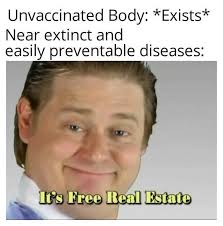
Recently, in the United States and other parts of the world there have been several Mumps virus outbreaks. The Mumps Virus is a dangerous infectious disease that has a long incubation period. The time period between when you get the mumps virus to when symptoms start to show is around two to three weeks. This is quite dangerous, because this means that an infected individual can easily spread the virus without even knowing that they are. This is why it is crucial to get children vaccinated, to not only protect them, but also their classmates and anyone they interact with. The initial symptoms include headaches, fatigue, body aches and poor appetite, which are common symptoms in many other viruses, making it difficult to distinguish initially. However, as the virus progresses some patients can develop painful swelling of the parotid and salivary glands. Additionally, some patients may experience swelling of the testicles or inflammation of the ovaries leading to low fertility. With no drug to get rid of mumps once you have it, it is crucial that people get vaccinated.

Prevention of the Mumps Virus

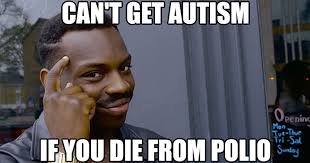
The Mumps Virus is a dangerous infectious disease that can be easily prevented with vaccination. The MMR vaccine is effective for the Mumps, Measles and Rubella. However, this vaccine has recently been highly present in the media, due to the speculation that this vaccine causes autism. There has been countless experiments, time and money poured into showing that this vaccine does not correlate with autism. However, limiting and unreliable experiments and articles have circulated in the media, causing fear and doubt in the minds of parents who are deciding if they should vaccinate their children or not. This anti-vaccination movement has led to mumps outbreaks in the US and other parts of the world. This shows that it is crucial to get proper education and correct information from health care providers and reliable sources when making decisions about vaccination.

Mumps Outbreaks

Recently, there have been countless mumps outbreaks in the US and around the world. These outbreaks can be linked to anti-vaccination movements that have grown due to the fear that the MMR vaccine is unsafe and causes autism. By July of 2017 there were approximately 3,000 reported cases of the mumps. One large and deadly outbreak occurred in Arkansas in a small, tight knit community where there is a-lot of community interaction and shared community spaces. This outbreak occurred in 2016-2017 and was the second largest mumps outbreak in US history with around 1500 reported cases in this single community. This outbreak shows the crucial importance of getting vaccinated, especially for the mumps virus. This is due to its long incubation period which leads to easy spread of the virus, due to lack of visible symptoms during the first two to three weeks that an individual is infected. Getting vaccinated is crucial to the safety of individuals and everyone in their surrounding.

IPV/OPV Vaccines and the Polio Virus

What are the different types of Poliovirus Vaccines and can eradication be reached?

https://images.app.goo.gl/uBT5D1ZUUpWkYE5y9

A vaccine is a substance that is a form of a pathogen or a pathogen’s products used to induce an immune response and protection from certain infectious agents following exposure to a specific antigen. They are a reliable way to protect a single person against an infectious agent and to protect others around you who may be immunocompromised and cannot receive a vaccine yet. When a sufficient amount of the population is vaccinated herd immunity can be achieved, which is when a significant amount of a population is immune to a disease (via vaccination) and the infectious agent is then no longer able to spread because of the accumulated immunity. The fact that you are protecting yourself and other’s when getting vaccinated should definitely be taken into consideration when people choose to not get vaccinated. For the Poliovirus there are two types of vaccines that can provide protection, the IPV (inactivated polio vaccine/Salk vaccine) and the OPV (oral polio vaccine/Sabin vaccine). Both of these vaccines have their own advantages and disadvantages, however, they both trigger the immune system to create antibodies against the poliovirus that are able to protect you when later exposed.

Dangers of Anti-Vaccination around the World

As with several infectious diseases, Herd Immunity and eradication of the poliovirus can be reached in different regions of the world, with collective vaccination in a given population. In regions such as North East Nigeria, this potential eradication was compromised by widespread suspicion that led to anti-immunization sentiments amongst the population. This was a result of misinformation, fear and religious beliefs, such as a rumor that the polio vaccine makes women sterile. Additionally, there was an anti-immunization sentiment pushed on the people of Northern Nigeria by the Boko Haram. The lack of immunization has lead to numerous outbreaks and deaths from the polio virus. To combat this issue, a group called CORE, has been providing correct information about the polio vaccine and its benefits to the people of Nigeria in attempts to improve vaccination rates and move towards eradication. I think this is important, because it shows how public education can combat against anti-immunization sentiments.

https://images.app.goo.gl/mw8si9gMFU25GuFS9

What are the risks of the OPV?

Between the OPV and the IPV vaccine, the OPV vaccine is able to provide better herd immunity due to its ability to neutralize the poliovirus in the throat and intestinal tract so that it can no longer be spread in the feces. However, one of its major disadvantages is that it can mutate to become virulent. These types of mutation are dangerous, because they can cause VDPV’s (Vaccine-Derived Polioviruses). This may cause hesitancy when people are considering getting to Poliovirus vaccine, however, in actuality this mutation only leads to disease in areas where there are low immunization rates and a “high force of infection,” often caused by poor sanitation. Despite this, there was a movement by the Global Polio Eradication Initiative to eventually replace the OPV, in order to reduce the risk of VDVP’s. This shows why people should seek out reliable medical information from health-care providers when deciding to get vaccinated.

Vaccine Misinformation

What are the ramifications of the Anti-Vaccination Movement?

https://images.app.goo.gl/TKmQ21mAr3HiCMHfA

Vaccines are an incredible advancement made in the science and public health field. There is countless research and evidence that shows the effectiveness of vaccines. Despite this, there has been a rising number of measles outbreaks and of several other infectious diseases throughout the US due to a rising number of people who are against vaccination. This group of people have been termed the “anti-vaxxer’s” and it is believed that they choose to not receive vaccinations, because of the mis-information they learn about via social media. Those who choose not to vaccinate themselves or their children have likely failed to realize that their actions have repercussions. Many in the US do get vaccinated, however, those who do not are putting those who cannot get vaccinated (such as infants) at risk of getting an infectious disease.

How can people working in the healthcare system help avoid misinformation?

Research has shown that approximately 75-80% who use the internet seek out health-related information online. Additionally, 70% of those users say that the health-related information they encounter online influences their medical decisions. This is distressing due to the fact that a large amount of health information found on the internet is not very credible. One way this issue can be combated is through good relationships between health-care workers and their patients. Specifically nurses, who can work to provide credible information about the importance of getting vaccinated as well as how important it for protection of others who cannot get vaccinated.

https://images.app.goo.gl/hUaPzeCCc8EGrMpc9

Anti-vaccination and Outbreaks of Infectious Diseases

The World Health Organization found that approximately 1.5 million children die every year because of diseases that could have been prevented with a vaccine. The fact that there are so many vaccines that have been shown to be effective are taken for granted is astonishing to me. This lack of vaccination has in recent years caused several measles outbreaks in the US and Europe. A measles outbreak in 2017 in Italy, along with large decrease in child vaccination rates prompted the Italian government to require vaccination for all children up to the age of sixteen. This mandate sparked conversation about the potential outcome of a permanent vaccination requirement on vaccination rates and vaccination uncertainty. This anti-vaccination movement again leads back to the misinformation that people receive about the dangers of vaccines. In order to avoid more outbreaks of infectious diseases and to protect the immunocompromised who cannot get vaccinated, people should get vaccinated.

The effects of the Microbiome on our long and short-term health

https://images.app.goo.gl/AM3rZ4sueUWpkwsS8

How can your microbiome impact your fight against cancer?

Each person has a distinct group of bacteria, viruses and other organisms located in their gut that are known as the microbiome. While it may sound scary that there are collections of bacteria living inside of you, much time and research is continually concentrated on learning more about it’s impact on the body. Current research suggests that one’s microbiota may potentially have a large impact on one’s health, development of diseases, and the effect of certain drugs on your body. Recent studies have shown a positive relationship between gastrointestinal microbiota and colon cancer immunotherapy. Immunotherapy is a type of therapy that attempts to improve the body’s natural defenses against cancer. It was discovered that contrary to previous beliefs, antibiotics can actually have a negative impact on cancer immunotherapy, while specific collections of microorganisms can have a positive impact on cancer immunotherapy. The gut microbiome is able to promote cell death in cells that trigger an immune response in the intestine. This shows that there can be many positive results in the health field that can come from studying the microbiome.

How can your diet impact your microbiome?

While our microbiomes are quite stable over time, they can be altered by the foods that are included in our diets. In humans, a large change in dietary fiber and fat can have a large impact on the composition of the microbiome. This is significant, because our microbiome impacts other parts of our health, such as our susceptibility to parasites and disease. Additionally, it was found that dietary supplements such as probiotics can impact ones microbiome. Probiotics are typically found in foods that naturally ferment, and are unique from our normal community of microorganisms that live in our gut. The probiotics impact the microbiota by acting as “food” for the gut bacteria. The bacteria that feed on them such as Lactobacilli, have been associated with prevention of human infection and an increased immune gene expression. Thus, it could likely be beneficial to pay to closer attention to our microbiome and how it may impact our future and health.

https://images.app.goo.gl/LD4dgGiKpbB8rp1t5

The Microbiome’s associated with Obesity

Another interesting thing about the microbiome is it’s association with obesity. Recent studies have shown that there are specific bacteria present in the gut bacteria of obese individuals, that differ significantly from the microbiome of non-obese people. This is significant because it has led to the development of probiotics that have been shown to cause weight loss in clinical trial. It was also found that the specific bacteria associated with obesity may also be linked to an increased risk of head and neck squamous cell, pancreatic, and colon cancer. Another interesting aspect of the study that had these results is that socioeconomic status was one of the factors considered when examining the patients. This shows that individuals with a lower socioeconomic status likely have less access to healthy foods and vegetables that likely promote a better microbiome.

The Flu: How worried should Americans be?…

https://images.app.goo.gl/fiiz6zvN86uErVc37

Why is Influenza Dangerous?

The Influenza virus is an enveloped virus that causes symptoms such as fever, nasal congestion, a sore throat and a cough. While there have been many advances to protect us from influenza, it is still considered to be a lethal virus. This is due to the influenza’s ability to mutate and evade our immune system. The influenza virus contains two types of surface proteins called hemagglutinin (HA) and neuraminidase (NA). These surface proteins are what trigger an immune response from our bodies. The virus mutates via Antigenic Drift, however, the changes are typically small, and with small changes to the virus our immune system is still able to protect us by using the same antibodies that we may have against a similar influenza virus. These small changes can eventually add up over time and result in an influenza virus that is much different than the influenza virus that our immune systems has defenses against (via the flu vaccine). Thus, individuals can still be susceptible to the flu even if they have already had it in the past. The results of antigenic drift is one reason why the flu can be so dangerous, because, each year as changes in the influenza virus occur, new vaccines must be made to keep up with this dynamic virus.

Should you get the Influenza Vaccine?

https://images.app.goo.gl/PgJ4mQFPZdsMY28t8

In todays climate there seems to be a large amount of hesitancy and uncertainty when it comes to getting the flu vaccine. This is evident with decreased vaccination rates in recent years. Some of the alleged reasons that people have given for not getting vaccinated or for choosing to not get their children vaccinated vary. A large amount of people avoid the flu vaccination because they believe that it is not effective. The effectiveness of the flu vaccine changes with each flu season as the influenza virus mutates and our immune systems are left vulnerable to getting the flu. While the effectiveness of the influenza vaccine varies each year, getting the vaccine is safer than giving your immune system no introduction to the influenza virus to your immune system. It was recently found that “vaccination reduces pediatric-influenza related deaths in healthy children by 65%.” This shows that people and parents should vaccinate themselves and their children in order to provide protection against the influenza virus.

How does non-vaccination affect others around you?

While not getting vaccinated is a choice that everyone has, it can be a dangerous to others. This is because others in you’re surrounding such as young babies who are immunocompromised and cannot get the vaccine could contract the virus from an individual who isn’t vaccinated and gets the flu. Additionally, behind the scenes, researchers are working hard to find a “universal flu vaccine” that would be able to work more than just one flu season. Ideally, it would also be able to provide protection against several variations of the influenza virus. There is also work being done to decrease the production time of vaccines, which is important because as of now vaccines in the Northern Hemisphere each October are based on strains from the previous February when the seasonal flu is still in action. This lag leaves time during which viruses can have changes that could allow them to bypass the vaccine. Thus, attempts to reduce production times, could lead to more effective flu vaccines.

One study and it’s impact on the alleged effects of the MMR Vaccine

https://images.app.goo.gl/ESZVm6BacfTUiv867

Andrew Wakefield published a study in 1998 that discussed a supposed link between the MMR vaccine and autism rates, which has since been retracted. His study included 12 patients, which Wakefield claims in his study were from a pediatric gastroenterology unit with “chronic enterocolitis and regressive developmental disorder.” However, since further investigation into this study, it was found that these patients were actually specifically selected. This shows that this study’s results were not going to be accurate since the involved patients were not randomly chosen. Following the release of this study conducted by Wakefield there has also been millions of dollars poured into either disproving or further proving Wakefields findings. However, there has been no large scale study that has verified or been able to replicate Wakefield’s findings. In addition, underlying motives were found in regard to the publication of this case, due to the fact that this study was funded by “lawyers acting for parents who were involved in lawsuits against vaccine manufacturers.” This shows that Wakefield had a purpose when he conducted this study, and likely, it was to discredit vaccines and go against vaccine manufacturers.

What were the results of Wakefield’s study being published?

Given advances in world of medicine, many vaccines have been created that can successfully prevent diseases, one of them being the MMR vaccine that prevents the Mumps, Measles and Rubella . Following the publication of studies such as Wakefield’s, some parents have grown exponentially more concerned about the potential affects of vaccines, specifically the MMR vaccine on their children’s well-being. This is not to say that all parents around the world have stopped vaccinating their kids. However, there has been a decline in vaccination of children in places such as the UK. The hesitancy that parent’s have towards the MMR vaccination, is essentially unjust. There have been large scale studies such as one conducted in Denmark that included 537,303 children born between 1991-1998. The results showed that there was no link between the MMR vaccine and autism, and that children who do and don’t receive the vaccine are at equal risk of having autism. This study also showed that there’s no link between the age at which a child gets the vaccine and autism. This is substantial evidence that there should be no reason to fear autism in children who receive the MMR vaccine.

What was the public response to substantial evidence against the link between MMR and Autism?

Despite the countless evidence against the link between the MMR vaccine, there is still a lot of hesitancy when it comes to vaccines. The declines in vaccination have resulted in several Measles outbreaks. There was one in Disneyland in 2015, and one in Minnesota in 2017. In addition, there have been five reported in 2019. This shows that the declines in individuals getting the MMR vaccine is very unsafe. Those who are able to get vaccinated and don’t can give these diseases to those who are immunocompromised and cannot get the vaccine yet, such as infants and older people. This situation is interesting, because it shows how one publication can completely change the public’s outlook on the safety of vaccinations. In order to move towards herd immunity, and to protect the immunocompromised, people must get the MMR vaccine.

https://images.app.goo.gl/PGsHw1iRcYzsrMiq9

Dallis’ Practice Blog

My name is Dallis, I’m a sophomore, pre-nursing student from Brooklyn, NY. I recently applied to UNC’s nursing school and am hoping to study Nursing starting Fall 2020! This summer I’m planning on interning abroad in Argentina and I’m super pumped. This microbiology class is one of several pre-requisites for the nursing school, and it’s super interesting so far!!! Can’t wait for the rest of this semester!!

My Home town!!

My First Blog Post

Be yourself; Everyone else is already taken.

— Oscar Wilde.

This is the first post on my new blog. I’m just getting this new blog going, so stay tuned for more. Subscribe below to get notified when I post new updates.

Introduce Yourself (Example Post)

This is an example post, originally published as part of Blogging University. Enroll in one of our ten programs, and start your blog right.

You’re going to publish a post today. Don’t worry about how your blog looks. Don’t worry if you haven’t given it a name yet, or you’re feeling overwhelmed. Just click the “New Post” button, and tell us why you’re here.

Why do this?

  • Because it gives new readers context. What are you about? Why should they read your blog?
  • Because it will help you focus you own ideas about your blog and what you’d like to do with it.

The post can be short or long, a personal intro to your life or a bloggy mission statement, a manifesto for the future or a simple outline of your the types of things you hope to publish.

To help you get started, here are a few questions:

  • Why are you blogging publicly, rather than keeping a personal journal?
  • What topics do you think you’ll write about?
  • Who would you love to connect with via your blog?
  • If you blog successfully throughout the next year, what would you hope to have accomplished?

You’re not locked into any of this; one of the wonderful things about blogs is how they constantly evolve as we learn, grow, and interact with one another — but it’s good to know where and why you started, and articulating your goals may just give you a few other post ideas.

Can’t think how to get started? Just write the first thing that pops into your head. Anne Lamott, author of a book on writing we love, says that you need to give yourself permission to write a “crappy first draft”. Anne makes a great point — just start writing, and worry about editing it later.

When you’re ready to publish, give your post three to five tags that describe your blog’s focus — writing, photography, fiction, parenting, food, cars, movies, sports, whatever. These tags will help others who care about your topics find you in the Reader. Make sure one of the tags is “zerotohero,” so other new bloggers can find you, too.